
Responsible Facility Authority (RFA)
Training & Certification for Medical Gas Systems
Hybrid in‑person and online training that qualifies your RFA to oversee piped medical gas and vacuum systems, document compliance, and make confident decisions when something goes wrong.
Designed specifically for healthcare facility leaders
2‑hour in‑person kickoff + 8 hours of online training
Final assessment and RFA training certificate for your compliance file
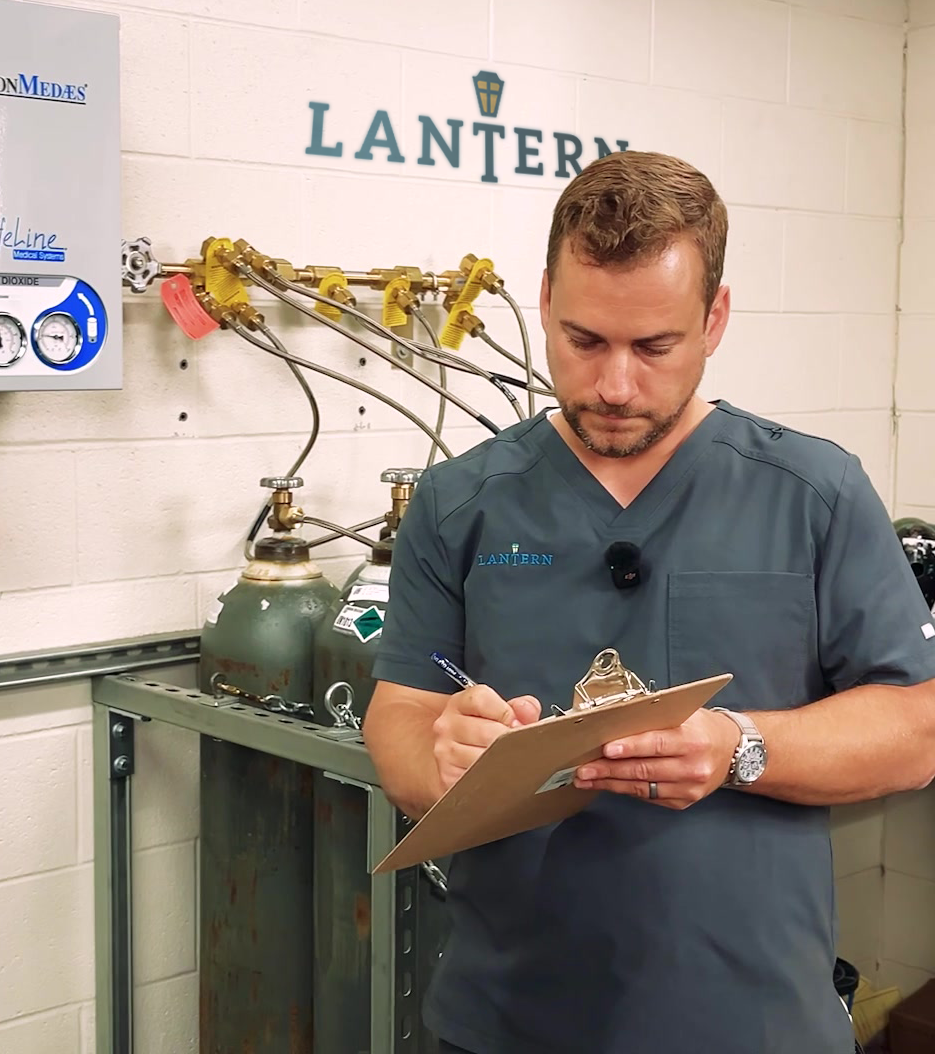
What Is a Responsible Facility Authority (RFA)?
NFPA 99 requires each healthcare facility to designate a Responsible Facility Authority (RFA) for its piped medical gas and vacuum systems.
The RFA is the person who understands how the system is designed, how it’s maintained, and what the risks are when something changes.
In real life, that means the RFA:
Reviews and approves work on the medical gas system
Coordinates with verifiers, installers, and contractors
Understands how shutdowns and failures affect patient care
Owns the documentation that surveyors and regulators expect to see
On paper, almost every hospital (in states where they are using NFPA 99 2021 edition or later) has someone listed as the RFA. In practice, many of those people get little structure, training, or support – until an incident exposes the gaps. Here is a resource to check which edition of NFPA 99 your state is on.
Q: What is a Responsible Facility Authority (RFA) in NFPA 99?
A: The Responsible Facility Authority is the person designated by the healthcare facility to be accountable for the safety, performance, and documentation of its piped medical gas and vacuum systems. They review work, manage risk, and ensure the facility follows NFPA 99 requirements.
Why RFA Training Matters for NFPA 99 Compliance
When something goes wrong with medical gas, you don’t want a committee meeting, you want a clear decision‑maker who knows the system and the code.
Common problems we see:
An RFA is named, but nobody explained what the role actually is.
Construction projects move forward without a real risk review.
Documentation lives in scattered binders, outdated drawings, or one person’s inbox.
During surveys, no one can clearly explain how the system is managed.
Formal RFA training closes those gaps. It gives one responsible person the knowledge, tools, and documentation to say yes or no to work on the system, and to back it up.
Q: Why does our hospital need RFA training if we already have med gas vendors?
A: Vendors and verifiers can test and install, but NFPA 99 still expects the facility to have an internal authority who understands the system, owns the documentation, and makes the final calls. RFA training builds that internal capability.
Who is this training for?
This program is designed for the person who will be listed as the RFA and the people who support them, typically:
Directors of facilities / plant operations
Senior maintenance leaders
Clinical engineering / biomedical engineering leaders
Safety officers or risk managers
Med gas coordinators and project managers
What facilities is it for?
It works for:
Single community hospitals
Multi‑hospital health systems
Ambulatory surgery centers, dental facilities, and specialty facilities
Program Format: Hybrid In‑Person and Online
Lantern’s RFA Training & Certification program combines a focused in‑person session with online, self‑paced modules. Your RFA learns in key information in person and then reinforces that knowledge with structured online content.
1. Two‑Hour In‑Person Kickoff
A focused, conference‑based session that:
Defines the RFA role for your organization
Reviews how NFPA 99 applies to your medical gas and vacuum systems
Discusses incidents and “near misses” and how the RFA should respond.
We deliver the RFA kickoff session at conferences and association meetings, then enroll participants in the online course.
2. Asynchronous Online Training
Self‑paced modules your RFA can complete over several days or weeks, including:
Interactive lessons and knowledge checks
Short video instruction from medical gas and facility experts
360° room simulations that place the learner inside realistic environments to practice decision‑making
Downloadable tools like Permit to Work, Risk Assessment calculator, and more.
3. Assessment & Certificate
At the end of the course, participants complete a comprehensive assessment. Those who successfully pass receive:
A Lantern RFA Certificate documenting their training
A record suitable for HR and compliance files
Optional follow‑up recommendations tailored to your facility
Q: How long does the RFA training take?
A: The live session is about two hours. The online content is approximately eight hours of study, which most participants complete over one to three weeks, plus time for the final assessment.
What Your RFA Will Be Able to Do After the Course
After completing Lantern’s RFA Training & Certification program, your RFA will be able to:
Compliance
Interpret and apply NFPA 99 requirements to your medical gas and vacuum systems.
Be qualified as your facility’s Responsible Facility Authority under rule 5.1.14.1.3.2(1) of NFPA 99.
Documentation & Coordination
Lead or participate in planning for shutdowns, tie‑ins, and emergency repairs.
Coordinate effectively with verifiers, installers, and contractors.
Maintain clear documentation: system drawings, asset lists, permits‑to‑work, and incident logs.
Represent the facility confidently during surveys and audits.
Risk Management
Make risk‑informed decisions about maintenance, outages, and construction projects.
Approve or deny work based on system impact, redundancy, and patient risk.
Q: Does this course make someone a verifier or installer?
A: No. This course prepares the facility’s internal authority, not third‑party verifiers or installers.
It focuses on risk, documentation, and decision‑making from the owner’s side.
How RFA Training Works for Your Facility
*
How RFA Training Works for Your Facility *
Q: How many RFAs or staff members can we enroll?
A: Most facilities enroll one primary RFA and one to three backups. Larger systems may enroll a broader group of leaders and coordinators. We’ll quote pricing based on your numbers.
-
Share your facility or group type, approximate number of participants, and preferred timeframe.
-
We deliver a two‑hour kickoff session on‑site or at an event, tailored to your facility’s systems and current projects.
-
Your RFA and any additional team members receive access to the online modules, which they can complete at their own pace.
-
Once participants pass the final assessment, Lantern issues RFA training certificates and a completion report for your records.
-
We recommend next steps, including permit‑to‑work processes, refresher training, and additional courses for technicians and clinical staff.
Frequently Asked Questions
RFA Training & NFPA 99: Frequently Asked Questions
-
This course is built around the RFA responsibilities described in NFPA 99 for piped medical gas and vacuum systems. It helps your designated RFA understand those requirements and put them into practice in your facility.
-
NFPA does not approve or certify third‑party training providers. Lantern’s course is designed by medical gas and facility experts to align with NFPA 99 requirements for the RFA role and the documentation surveyors typically look for. Specifically, this course fulfills the qualification set forth under rule 5.1.14.1.3.2(1) of NFPA 99.
-
A facilities or clinical engineering background helps, but we routinely train folks who are new to medical gas systems. The course starts with fundamentals and builds to more advanced topics.
-
The core curriculum is standard, but the in‑person session can focus on your specific facility layout, equipment, and upcoming projects. We can also discuss optional follow‑up sessions. Our technical training is specific to your facility’s equipment.
-
Participants access the self‑paced modules through Lantern’s online learning platform. They can start/stop as needed, revisit lessons, and complete knowledge checks before taking the final assessment.
-
Participants can review the content and retake the assessment. If multiple team members are struggling with the same topics, we can recommend targeted follow‑up training.
-
Many facilities revisit formal training every three to five years, or after major system changes. We can help you plan a refresh cadence that matches your risk profile and regulatory environment.
-
Yes. If you’re building a broader medical gas program, we can combine RFA training with courses for technicians, project staff, or clinical teams.
Ready to design your RFA Training Plan?
Schedule a Discovery Call or Request a Custom Proposal to see how Lantern’s RFA Training & Certification can support your facility.